Equine physiotherapy is currently one of the fastest-growing fields relating to animal health and rehabilitation. Increasing numbers of horse owners, instructors and riders are interested in this subject not only for treating ailments, but also for prevention, training and supporting equine welfare. Physiotherapy combines elements of massage, physical modalities, joint manipulation, exercise therapy, stretching and work on the horse's back, resulting in improved mobility, reduced pain, injury prevention and a better quality of life for the animal.
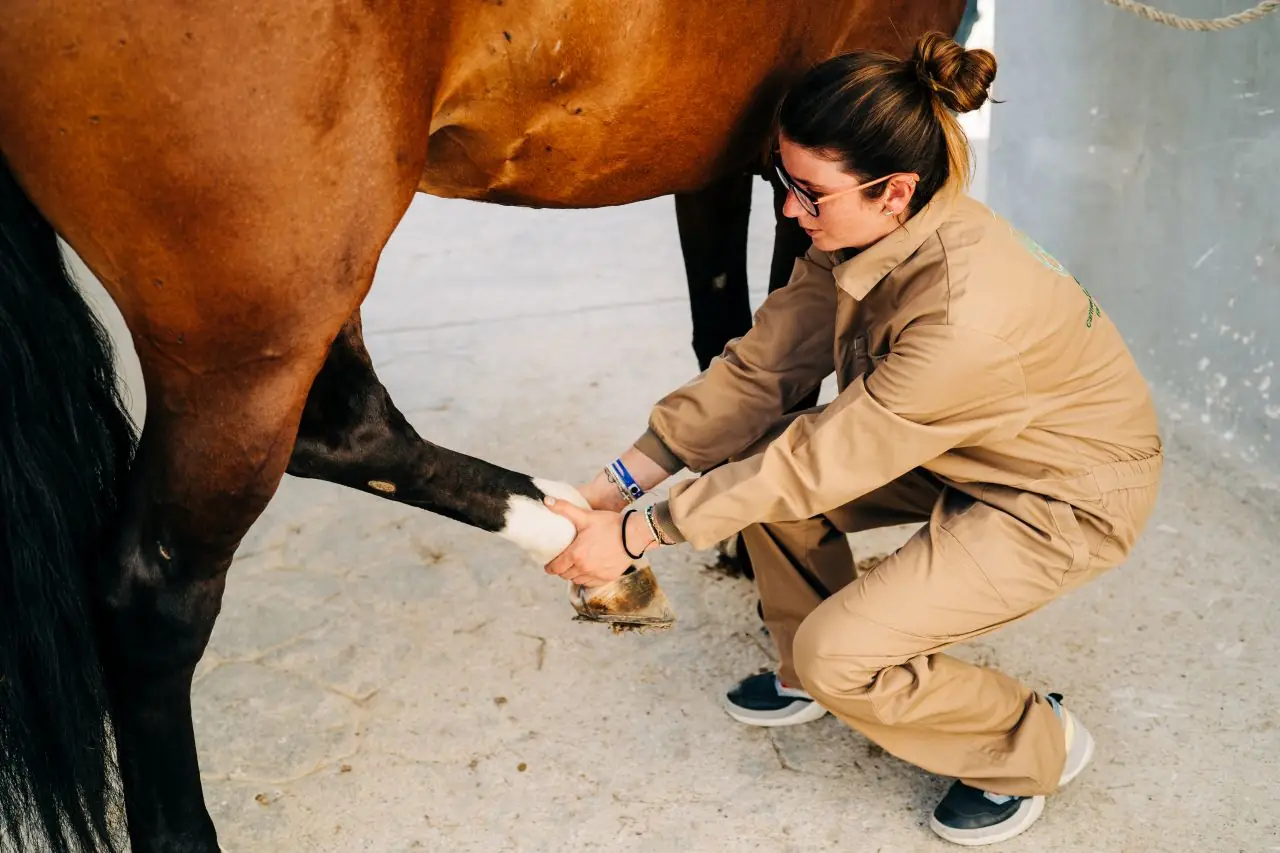
This field requires sound knowledge of anatomy, biomechanics, orthopaedics, dressage, jumping and breeding, as well as practical experience working with horses. Physiotherapists therefore undertake training, often delivered outside the formal school system as part of continuing education, with both theoretical and practical classes. Upon completing a course or diploma programme, participants acquire the qualifications and competencies that enable them to provide equine physiotherapy treatments in accordance with applicable regulations and occupational health and safety principles.
Equine physiotherapy is a comprehensive system of therapy aimed at improving the health, mobility and physical function of the patient: the horse. It encompasses a wide range of techniques, such as:
relaxation massage and sports massage,
joint manipulation,
lymphatic drainage,
manual therapy,
physical modalities (laser, magnetic therapy, ultrasound),
exercise therapy and corrective exercises,
fascial stretching,
work on the back and the area beneath the saddle.
Physiotherapy aims not only to treat problems, but also to support recovery after training, prepare the horse for work and analyse the influence of the saddle and rider on the animal's movement. Physiotherapy helps identify early compensatory patterns, influence posture and prevent more serious injuries.
A horse cannot always show clearly that it is experiencing discomfort. Often, only a change in behaviour, movement or responses suggests a need for therapy. This might be reluctance to work, difficulty bending, shortened strides, stiffness on leaving the stall, difficulty during saddling or tension observed during training. Physiotherapy becomes essential when a horse returns to work after an injury or a long break, in cases of orthopaedic problems, when the back is painful and movement becomes asymmetrical. Changes resulting from poor saddle fit, rider errors, weak musculature, incorrect conformation or movement habits are also indications.
The effects of physiotherapy may be visible after just one session, although regular therapy produces the greatest results. Equine physiotherapy improves tissue elasticity, increases joint range of motion, reduces tension, supports correct muscle function and restores balance in the musculoskeletal system. The horse works more freely, responds more readily to the rider's aids and moves correctly. Physiotherapy also plays a major role in recovery after exertion, rehabilitation and preventing excessive strain. It enables movement disorders to be identified at an early stage, before they develop into serious injuries.
Physiotherapy uses a variety of techniques, which the physiotherapist selects according to the patient's needs. The most commonly used are:
manual work incorporating elements of relaxation and sports massage,
deep fascial therapy,
joint mobilisation and manipulation in the spine and limbs,
lymphatic drainage to improve the clearance of fluid congestion and swelling,
active exercises, groundwork and corrective dressage exercises,
techniques to improve balance and back stability,
methods for assessing saddle fit and the rider's influence on the horse's movement,
laser, magnetic fields and other physical modalities.
Modern equine physiotherapy works on multiple levels – muscular, joint, fascial and neurological.
The session begins with a conversation with the owner and a review of the animal's history. The physiotherapist then performs a detailed palpation examination and assesses the horse's movement and posture. Only on this basis are the appropriate techniques selected. Treatment may include massage, tissue release, fascial work, joint mobilisation and, sometimes, physical modalities. The owner receives recommendations for further work, exercises to perform between sessions and possible consultations with a veterinarian if needed. After therapy, the horse often shows a visible improvement in ease of movement and willingness to work.
Horse owners should watch for even subtle changes. A horse that needs therapy:
tires more quickly,
avoids work,
reacts to touch around the back, neck or hindquarters,
has difficulty jumping or performing dressage exercises,
becomes asymmetrical,
becomes stiff after training.
Changes in behaviour often indicate tension or pain. The sooner the horse receives therapy, the easier it is to restore balance.
Yes. Regular physiotherapy prevents excessive strain and helps keep the animal healthy through many years of active life. Preventive treatments:
release tension before it becomes a problem,
support muscular balance,
improve the quality of training,
increase the horse's comfort under the rider,
aid recovery.
Owners of sport horses regard physiotherapy as a regular part of care, alongside appropriate nutrition, saddle fitting and regular consultations with a veterinarian. It is also increasingly used by owners of leisure horses, for whom the animal's comfort and health are paramount.
A good physiotherapist is more than someone who can perform massage or joint mobilisation. They are a knowledgeable, experienced specialist who, after years of study, combines elements of anatomy, biomechanics, orthopaedics, training and working with horses. It is best to choose people who have completed a professional course or university studies (thereby holding the Polish master's-level engineering title mgr inż), have undertaken training in working with animals and can demonstrate many years of experience. Many professionals work with veterinarians on a daily basis, enabling them to make therapeutic decisions to a high standard. Those who teach courses in this field often stress that certificates alone are not enough: practical experience and the ability to observe the horse's movement and the patient's responses are also crucial.
The cost of equine physiotherapy depends on many factors, such as the region in which the specialist works, their qualifications and experience, and the type and scope of the treatments provided. A standard therapy session including an examination, manual work, biomechanical assessment and basic therapeutic techniques usually costs between 150 and 300 zł. More advanced forms of physiotherapy involving specialist manual techniques, physical modalities or a detailed analysis of work under saddle may cost more. It is also worth remembering that, under current law, certain techniques – particularly joint manipulation or work that intervenes in the skeletal and joint system – may only be performed by people with appropriate qualifications or those working in cooperation with veterinarians, which also affects the final price of the service.
Although equine physiotherapy is sometimes viewed as expensive, regular work with a qualified physiotherapist is a real investment in the horse's health, safety and longevity. Regular treatments allow tension and movement disorders to be detected early, before they develop into injuries requiring lengthy rehabilitation or costly treatment.
Equine physiotherapy is not a luxury, but an extremely effective tool for supporting animals' health, recovery and comfort. Every horse – whether a sport horse or a leisure horse – benefits from proper mobility, flexibility and muscular balance. If your horse shows signs of pain, changes in movement or difficulty in training, or you simply want to look after its welfare, physiotherapy may prove to be the best solution.
check_circle
check_circle


