No hoof, no horse, and thrush is one of the most common hoof conditions in horses, especially in autumn and winter when the ground is wet and muddy. This condition occurs when a process of decay develops in the hoof frog, caused by anaerobic bacteria accumulating in the grooves and crevices. If neglected, it leads to pain, lameness and, in extreme cases, even hoof canker. Although common, this condition can be treated effectively and prevented even more effectively – provided there is regular care and an early response to the first symptoms.
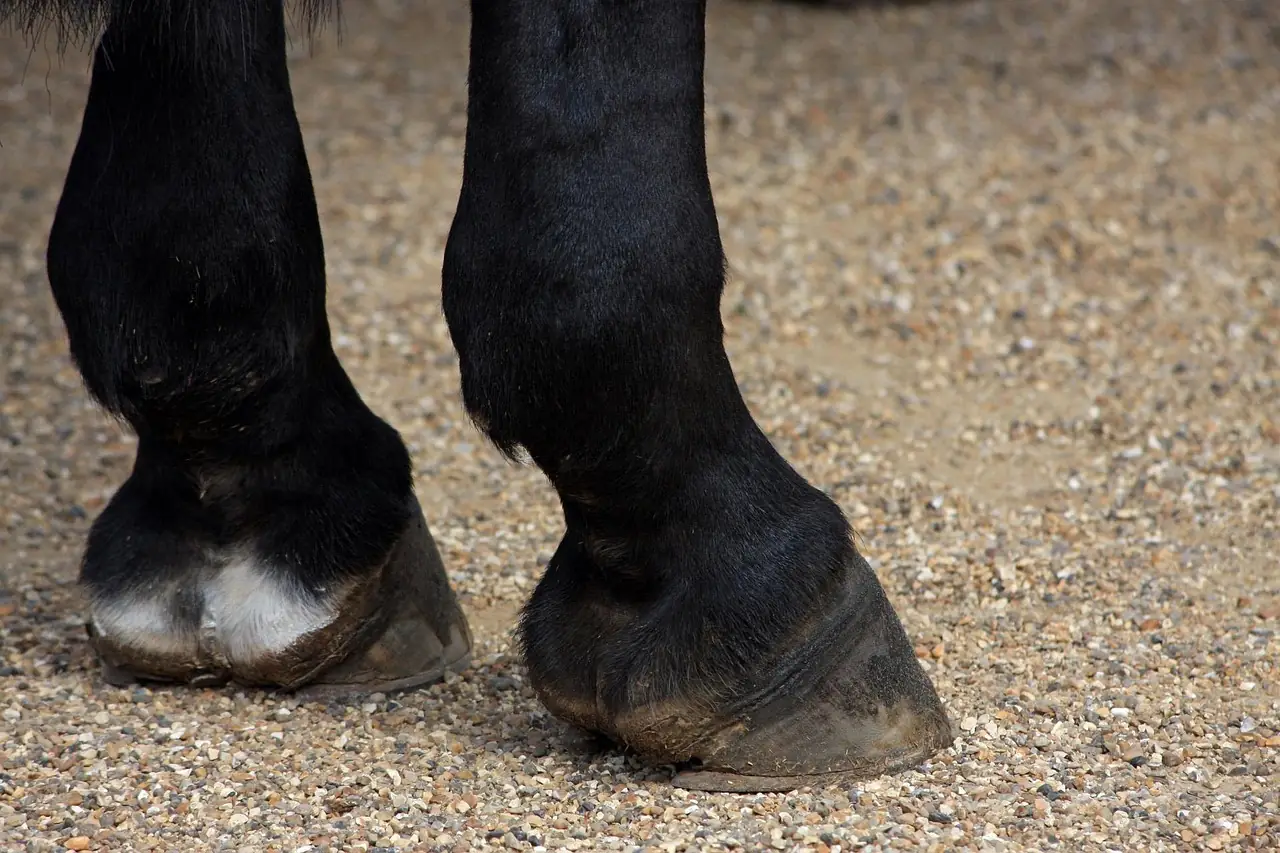
The frog is a key part of the hoof that naturally absorbs shock. Together with the hoof horn, it forms a structure that cushions impact during movement. This gives horses' hooves elasticity and allows them to function correctly with every step, regardless of how many kilometres they cover.
A healthy, properly functioning frog absorbs shock during trotting, cantering, galloping and landing after a jump, improves blood circulation in the lower parts of the limb, stabilises the hoof, supports balance and correct heel function, and protects deeper structures such as the pedal bone and sesamoid bones.
A healthy frog supports oxygenation throughout the body, improves blood supply and also influences the horse's overall immunity. However, when tissue loss, infection and frog decay occur, they disrupt the functioning of the entire limb.
Thrush is caused by anaerobic bacteria that thrive in an environment without oxygen – places that are damp, dirty or where droppings accumulate. Horses whose hooves spend long periods in muddy paddocks are also particularly susceptible to this infection. The most common factors include:
Standing for long periods in a dirty stable or waterlogged paddock drastically increases the risk of infection. Wet bedding softens the horn and makes it easier for bacteria to penetrate deeper layers. Manure, mud, dirt and urine create an ideal environment for bacteria. Keeping hooves clean and regularly cleaning the stable significantly reduces the risk.
Horses that spend many hours standing in stables are much more susceptible to the condition because the frog does not function correctly and receives insufficient oxygen; reduced hoof function impairs circulation, and a lack of movement encourages dirt and moisture to accumulate in the grooves. A lack of exercise and standing in a stable make the frog soft, brittle and more susceptible to infection.
Incorrect trimming can leave excessively deep grooves or improperly trimmed heels that prevent the frog from functioning correctly. Infrequent hoof cleaning, meanwhile, allows debris to build up in the grooves, leading to decay.
An unsuitable diet low in micronutrients (zinc, copper, biotin) and based exclusively on oats leads to poorer hoof horn quality, slower tissue regeneration and increased susceptibility to hoof cracks and infections. Healthy hooves start with appropriate nutrition.
Horse owners should regularly inspect their horses' hooves. Frog infections produce clear, characteristic symptoms, the most common of which are:
a black, greasy coating in the grooves,
a distinctive, pungent smell of decay,
pain when pressure is applied,
a deepening groove around the base of the frog,
brittle, crumbling horn,
loss of elasticity in the frog and a marked change in its appearance.
Effective treatment takes time and consistency. Attention should be paid to:
Removing dirt from the grooves daily is essential. Regular cleaning improves the condition of the frog and prevents debris from accumulating. During treatment, hooves should be cleaned even several times a day and kept dry and clean before applying a preparation.
A good farrier should remove loose, softened horn, allowing preparations to reach the infection site, and trim the frog evenly so that it can breathe.
The following are used to treat thrush:
specialist preparations in the form of ointments, liquids or gels, usually based on copper sulphate, iodine or zinc, which disinfect immediately and quickly inhibit the progression of infection,
drying agents with antiseptic properties, such as drying powders or preparations containing ethanol,
antibacterial preparations, such as mineral-based sprays, that limit bacterial multiplication.
Many products are available on the market, but the most effective work through several basic mechanisms: they inhibit bacterial growth, dry out the environment and support the rebuilding of healthy frog tissue.
Once the infection has been brought under control, it is also worth supporting the recovery of a healthy frog. Ointments with simple formulations based on natural oils, fats or lanolin are most commonly used to moisturise the hoof and support regeneration.
Even the best treatment will not work if the horse stands in a dirty or wet stable. This is why daily cleaning and replacement of wet bedding, thorough removal of mud from the hooves, and limiting time spent in a wet paddock during treatment are so important. This is one of the key elements of therapy.
In some cases, hoof dressings or a change to another type of bedding, such as sawdust, may be necessary.
The best prevention is daily hoof care. To effectively prevent thrush and its associated problems, it is worth:
keeping hooves in dry conditions,
ensuring daily hoof cleaning and care,
maintaining appropriate stable management and hygiene,
providing a suitable diet rich in biotin, which supports tissue regeneration,
checking the ground the horse moves on, especially during periods of heavy rainfall,
arranging regular visits from a good farrier.
Good habits help keep hooves healthy and thereby protect against the development of infection.
Thrush is a common problem, but prompt, consistent action can eliminate it completely. Frogs are extremely important parts of the hooves – they stabilise them, improve their blood supply, protect them and support the functioning of the entire limb. A healthy frog means good shock absorption, proper circulation and free movement. This is why regular hoof care and a quick response to the first signs of thrush in a horse are so important.
Proper hygiene, a clean stable and appropriate farrier care are the foundations that make it easy to keep hooves in good condition — for your horse's health, comfort and long life.
check_circle
check_circle


