
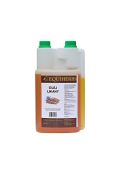
The unique properties of Saccharomyces cerevisiae yeast make them positive for the health of the whole body, and in particular for the functioning of the digestive system. Improve the use of feed, improve the appearance of fur and hooves, affect the nervous system and encourage the building up of muscle mass.
The strain of Saccharomyces cerevisiae has been tested several times proving its positive effect on horses. These yeasts improve the digestibility of feed, as well as its nutritional value and taste.
They also have a positive effect on the health of the whole body, and in particular the functioning of the digestive system. They prevent intestinal microflora imbalances associated with sudden changes in diet.
Main features:
-high protein content
-natural source of B vitamins
-high content of biologically active compounds such as β-glucans, mannanoligosaccharides and nucleotides
-have prebiotic effects, nourish bacteria of the digestive tract
-increase feed digestibility by improving fibre digestibility
They're neutralizing mycotoxins.
-positively affect the morphological features of the gastrointestinal mucosa
When to use:
- in horses too thin and with a tendency to lean
-horses having difficulty restoring weight despite the use of balanced feeding and high doses of feed
- in horses overexcited, burning
-with poor hay quality supply
- in lactating mares
-in stress situations
- with eating problems.
- with problems with digestion, tendency to diarrhea, colic
-while changing the feed
-with probiotics in the reconstruction of the bacterial flora of the gut after diarrhea or operational procedures (mortgage)
- with a decrease in immunity.
Yeast effect:
-improves digestion – yeasts are a natural prebiotic, or food for beneficial bacteria living in the digestive system. Thus, they prolong their lifespan and allow them to multiply. The good condition of the bacterial flora of the intestine promotes more effective digestion; the decomposition and use of fiber, as well as better synthesis of amino acids.
-stabilization of pH when feeding a large quantity of cereals - adverse pH changes in the thick intestine occur when feeding large quantities of high-sugar (high starch) feed. Stomach and intestine are unable to process and properly prepare high starch components before entering the colon, resulting in unwanted microbiological fermentation. This fermentation causes lactic acid bacteria to multiply, leading to an adverse decrease in the pH of the colon. This in turn negatively affects the viability of bacteria digesting fibre (so-called good bacteria). Changes in the pH of the colon can cause colic, groats, and increased gas accumulation when taken over by numerous bacteria producing lactate. Studies in the UK have shown that in horses fed with a diet rich in starch when feeding feed yeast, the level of lactic acid was lower and the pH of the blind intestine was higher.
-muscle mass – yeast protein provides exogenous amino acids, improving the absorption and processing of proteins. Medium quality protein contained in food such as hay or feed of average quality will be better used in combination with yeast.
-silence - due to the high content of B yeast vitamins are recognized for their positive effects on the nervous system, as well as metabolism
-condition of skin, hair and hooves – high protein content with good amino acid profile and good bioavailability. Amino acids are a building block of connective tissue, skin and its preparations, so adequate amount and quality of protein in food can positively affect these areas of the body. In addition, B vitamins, especially biotin, but also vitamin B1, B2, B6 and B12 affect the proper metabolism of the skin and its preparations.
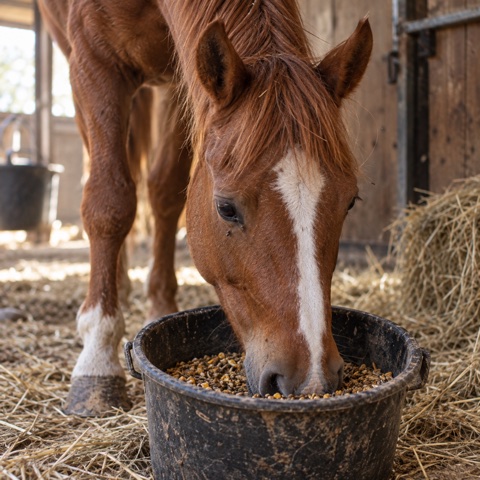
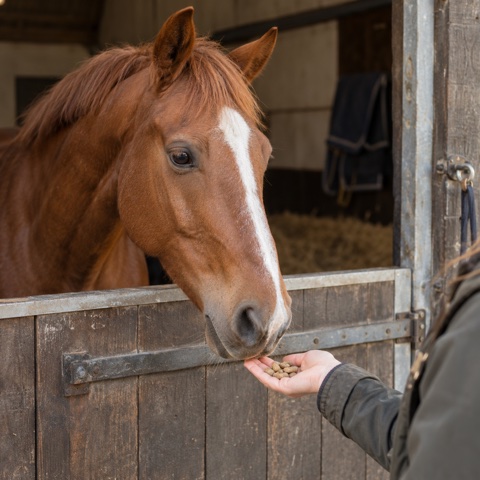
-apetite – most horses like the taste of yeast, so they can support the consumption of feed in some. The cause of eating disorders is often the poor condition of the bacterial flora of the intestines or/ and the deficiency of B vitamins. Both of these aspects improve yeast supplementation.
Application:
Add to feed. It may be moistened immediately prior to administration.
Inject into the diet gradually.
Store in a dry and cool place. After use, close tightly.
Dosage:
Large horses (500 kg):
-50 - 100 g daily in preventive supplementation
-in horses with digestive problems, the starting dose by 5 days 2x35 g, then by 14 days 2x100 g and continue at the basic dose of 50 g.
Little horses and ponies proportionally less.
In order to silence the nervous horses, overactive yeast should be administered together with magnesium.
In horses with diarrhoea, loose faeces, collating yeast together with Biogen K probiotics.
One scoop contains approximately 30g of the preparation.
Composition: Saccharomyces cerevisiae
Ingredients in 1 kg:
Energy digestible 12-14 MJ
43 % crude protein
Raw fat 5 %
Raw fiber 10 %
Ash 3 %
Lysine 1,5 %
NUBA EQUI PAWEŁ PĘKALA
Krąg 27
83-200 Starogard Gdański PL
NUBA EQUI PAWEŁ PĘKALA
Krąg 27
83-200 Starogard Gdański PL


check_circle
check_circle

























Your review appreciation cannot be sent
Report comment
Report sent
Your report cannot be sent