


zł132.99


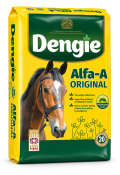
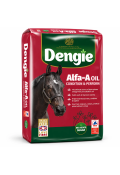
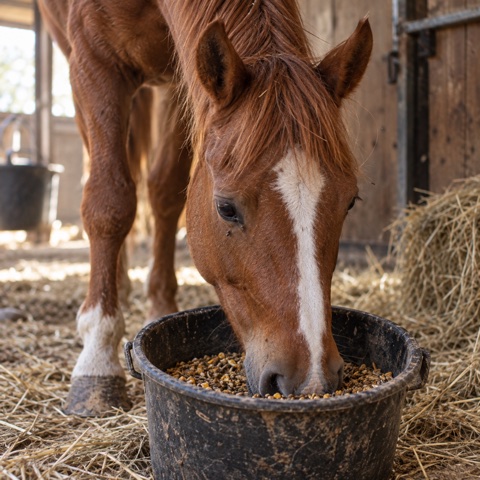
Our proposed chaff is pure alfalfa with added coconut oil. Provides high-quality protein, fiber, digestible energy (calorie), fat and calcium for the diet of horses.
The unique process of preparing our chaff includes several stages to offer you in the final result three groups of ingredients:
- typical chaff with alfalfa, which is the cut stems of this valuable plant. Fibrous parts of this plant are highly valued, as their composition contains a greater share of digest fibres than typical hay, providing free-release energy. This makes alfalfa a more concentrated energy-oriented meal. The fiber also stimulates the digestive system and is a desirable ingredient of food conducive to the reproduction of "good" bacteria in the intestines. This results in improved digestion and increased immunity in horses.
- pellets, or granulated parts of alfalfa, which are usually crushed and are the most valuable. The leaves, buds and small parts of the stems with low fibrosis in the typical hay with alfalfa are crushed or excavated, can also cause pollination and irritate the horse's respiratory system. And that's where the most nutritional value is. Our alfalfa in the preparation process is first thoroughly sifted from the above fractions, longer and stiffer parts are cut, and small fractions are granulated.
- chaff is additionally coated with a small amount of coconut oil. Unrefined, cold-pressed coconut oil is a source of free-release energy. It is a healthy source of fat, as it consists of medium chain fatty acids, which are rapidly absorbed and easily metabolised. They are a source of slow-release energy for the body and are not as easy as other fats, deposited in the form of fat. Coconut oil also does not contain trans fats. While contained in coconut oil, and rarely found in nature, lauric acid has viral, bacterio- and protozoacidal properties.
chaff Nuba Alfalfa Coco Oil Chaff features high quality protein, high product digestibility, the taste that horses love, the wonderful aroma of coconut and its health pro properties.
Chaff is recommended for administration of:
- horses working - as an additional source of energy and protein
- horses with stomach ulcers - chaff administered before work helps to prevent the spread of stomach acid to the part of the glandless stomach,
- to older horses - highly digestible, with a favourable composition
- horses too lean - provides weight gain and muscle tissue expansion
- nervous horses having a problem with their body weight; it helps build weight without causing hyperactivity while supporting optimal blood sugar
- breeding horses; foal mares, feeding mares, young, growing horses
- horses in recovery
- where the hay is given to horses of poor quality (pregnant, green, odourless).
Composition:
Alfalfa chaff
Alfalfa granules
Coconut chippings
Cold-pressed coconut oil
Nutritional value:
Energy digestible - 10,1 MJ
General Protein - 15%
Fat - 10%
Raw fibre - 31%
Ash - 8%
calcium (Ca) 6,3 g
phosphorus (P) 2,6 g
magnesium (Mg) 1,1 g
potassium (K) 19,3 g
sodium (Na) 0,2 g
Chlorine (Cl) 2,8 g
Sulphur (S) 1,9 g
Iron (Fe) 218 mg
copper (Cu) 6 mg
zinc (Zn) 18 mg
Manganese (Zn) 25 mg
selenium (Se) 0,1 mg
Lysine - 7,5 g
Starch and simple sugars <3%
Chaff can be used in daily diet in several ways.
- to add energy, protein, fibre to feed the horse to feed with solid feed or as a separate meal
- in order to slow down the intake of feed and improve the rumination of the feed, chaff should be mixed with the dose of the feed.
- in order to protect the atrial part of the stomach from ulcers, administer a handful or two of chaff immediately before driving
Quantity for adult horse / day:
horses not working and working lightly - to 100 g on 100 kg body weight
horses in medium weight training - to 200 g on 100 kg body weight
horses in heavy training - to 2,5 kg daily
Alfalfa can be given more provided that the entire food dose is balanced.
NUBA EQUI PAWEŁ PĘKALA
Krąg 27
83-200 Starogard Gdański PL
NUBA EQUI PAWEŁ PĘKALA
Krąg 27
83-200 Starogard Gdański PL


check_circle
check_circle




















Your review appreciation cannot be sent
Report comment
Report sent
Your report cannot be sent