Zinc is a micronutrient that is very common in horses. This is due to the low content of this element in the soils on which plants grow.
The reason is also the high amount of organic, and in some commercial feeds also supplemented iron. Iron, on the other hand, blocks zinc absorption.
Zinc has a strong effect on copper absorption as well as correlates with manganese, sulphur and selenium.
In view of the interaction of all components of the diet, it is important not only to maintain an adequate amount of them in the daily dose, but also to maintain a mutual proportion.
We call it proper balance of diets.
This element is involved in protein synthesis (including connective tissue, keratin, cartilage), production of certain hormones (especially testosterone) and influences
to increase your body’ s resistance.
Chelat is an organic compound formed by complexometry, i.e. the coupling of metal ion (in this case zinc) with amino acid.
This synthesis increases the bioavailability of a given element, i.e. improves its bioavailability.
Chelats also show high stability, which they retain in all pH ranges occurring in the digestion process.
When to use?
- if you have found a zinc deficiency in your blood
- in a diet rich in iron (e.g. feeding beet pulp beets)
- as a component for balancing a full dose of food
- in case of a zinc deficiency detected in the hair or hoove test
- in horses with osteoarthritis
- with reduced immunity
- with large injuries
- in diseases and in case of worsening of RAO symptoms
- with hoove problems; rotting hoof frog, soft sole, cracks
The role of zinc in the organism:
- aids immunity of the body
- increases the activation of proteins and antioxidant enzymes
- participates in the transformation of proteins, carbohydrates and nucleic acids
- participates in muscle work, improves exercise efficiency of the body
- affects the functioning of the ovaries in mare as it ensures proper function of the sex hormones
- necessary for good connective tissue and mucosa
- affects the healthy appearance of skin, hair and hooves
- participates in the correct formation and reconstruction of bones and cartilage
- helps to maintain adequate blood sugar levels by improving insulin sensitivity
Signs and effects of zinc deficiency:
- skin problems, scabs and hair follicle inflammation
- fragile hooves, rotting hoof frog, soft soles
- joint cartilage degeneration
- Osteochondrosis, spatona, pustule syndrome
- decreased immunity
- muscle weakness, impaired ability to concentrate and remember
- poor foal growth, tendon spasms, osteochondrosis, poor skin integrity
- weak appetite
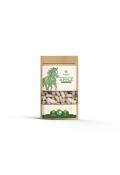
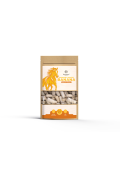
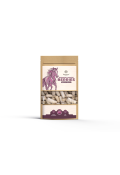
The attached 5 ml cup contains approx. 3g product and supplies 225 mg zinc.
Complementary feed.
Method of use for large horses (500kg)*:
- 4,5g to 6g per day in case of preventive supply, without performing tests (e.g. during illness, severe allergic symptoms, injuries, problems with hooves),
- with the deficiencies identified, it is best to analyse the diet and select the dosage on this basis. Alternatively, apply 9g to 12g product daily through 30 days.
It is recommended that blood tests be performed again,
- with rotting problems. hoof frogs or hooves to be administered at a dose 4,5 g with copper chelate NuVena Copper Chelate Dose 2 g or use a comprehensive preparation to support Equina Keragard hooves.
One measure contains approx. 3g preparation (5ml).
"Little horses and ponies are proportionally less."
Uwaga! Excess zinc in the diet impairs the absorption of other micronutrients. Especially copper. It is very important to balance zinc properly with all ingredients of the diet.
Method of preparation:
Add to feed. It may be moistened immediately prior to administration.
Store in a dry and cool place. After use, close tightly.

















Your review appreciation cannot be sent
Report comment
Report sent
Your report cannot be sent