


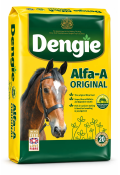
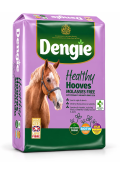
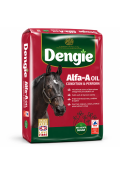
A universal formula that can be used as a supplement to the basic diet (dry) and as a dietary feed for use in wet form mash. Dedicated to horses who need a low-starch, high-fibrous diet. Fibre in the form of so-called ‘fibres’ Super Fibres is a highly digestible component providing non-excitable energy. It can be used as a supplement to the solid feed or as a complete replacement for it and as a partial hay replacement. Feed full, rich in vitamins, minerals and antioxidants. Free from dust and loose elements, which makes it a good feed for horses with respiratory problems. Feed safe also for horses after a patting or with a tendency to chitchat.
Key features:
· Low levels of sugars and starch,
· Used wet becomes a tasty and nutritional addition, which is a better alternative of mash based on wheat bran,
· It is very willingly and easily accepted by horses with weak or incomplete teeth,
· It is a source of long-term energy - it can also be successfully used in the diet of sports horses with a tendency to overweight or hyperactivity.
FOOD ANALYSIS:
Raw fiber 22%
10% crude protein
Lizyna 0,46%
Methionine 0,13%
Crude oil 3,50%
Crude ash 7%
10,5% starch
4,5% Sugar
Energy digestible 11,2 MJ/kg
Vitamin A 11 500 iu/kg
Vitamin D 1 150 iu/kg
Vitamin E 300 iu/kg
Vitamin B1 1,47 mg/kg
Vitamin B2 3,45 mg/kg
Vitamin B6 1,33 mg/kg
Vitamin B12 0,06 mg/kg
Pantothenic acid 5,30 mg/kg
Niacin 17,25 mg/kg
Folic acid 0,75 mg/kg
Biotin 0,11 mg/kg
Calcium 0,89%
Phosphorus 0,43%
Magnesium 0,17%
Sodium 0,23%
0,40% chlorides
Potassium 0,85%
200 mg/kg Iron
0,50 mg/kg Jod
Copper 37,5 mg/kg
Zinc 110 mg/kg
Manganese 62 mg/kg
Selen 0,50 mg/kg
Composition:
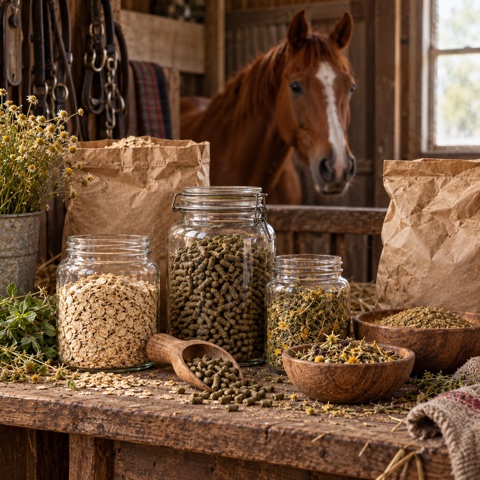
Oat husks, soya beans, wheat bran, cane molasses, dried beet pulp, sunflower seeds, calcium carbonate, sodium chloride, soya oil
DOSING:
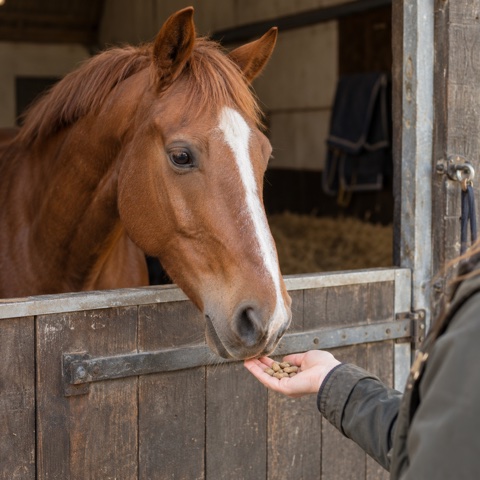
· The average dosage is 500g-1kg/100kg horse weight.
· Remember to feed by feed weight, not by volume. Before introducing the feed into the diet, the volume of measuring machines should be carefully weighed and new products introduced gradually, for the period of 3-4 days.
· Make sure that the horse receives a volumetric feed (seed or hay) in the correct dose - the minimum of 1%, the optimum between 1,5-2% body weight and has constant access to fresh water and salt lick.


check_circle
check_circle















Your review appreciation cannot be sent
Report comment
Report sent
Your report cannot be sent